

 English
 中文简体
中文简体 русский
 Español
With the increasing demands on flooring materials in modern home and commercial space design, LVT (Luxury Vinyl Tile) has become a popular choice for home and commercial renovations due to its excellent performance and diverse design styles. Among these, Glue Down LVT flooring, with its high stability and durability, has become the preferred choice for many homeowners and designers.
Glue Down LVT flooring refers to a type of LVT flooring that requires adhesive to bond the tiles to the subfloor. Unlike floating LVT flooring (which does not require glue or adhesive for installation), Glue Down LVT flooring is firmly bonded to the subfloor with adhesive, providing greater stability and a longer lifespan. This type of flooring is commonly found in commercial environments or high-traffic areas of homes, and is highly favored for its wear resistance and impact resistance.
Advantages and Features of Glue Down LVT Flooring:
1. High Durability and Stability
One of the biggest advantages of Glue Down LVT flooring is its extremely high durability. Because this type of flooring is firmly bonded to the subfloor after installation, it is more stable than floating installations and less prone to shifting, warping, or damage. This advantage is particularly evident in high-traffic areas such as commercial spaces, offices, or large family living rooms.
LVT flooring itself uses high-density PVC material, which has strong compression resistance, wear resistance, and stain resistance. In daily use, Glue Down LVT can effectively withstand significant impacts, reducing scratches and wear.
2. Excellent Waterproof Performance
Moisture is fatal to most traditional wood floors, while LVT flooring has natural water resistance. Glue Down LVT flooring uses a sealing process to effectively prevent moisture from penetrating the subfloor, making it particularly suitable for installation in damp environments such as kitchens and bathrooms, reducing problems such as floor deformation or corrosion caused by moisture.
3. Diverse Design Options
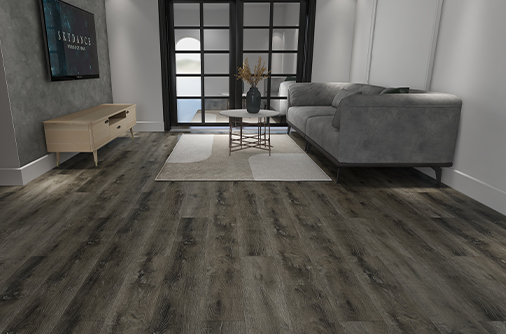
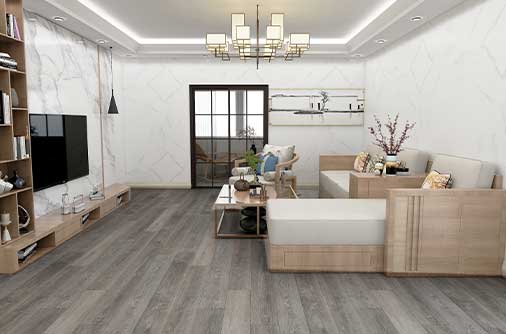
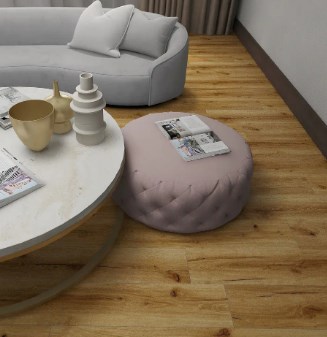
The appearance of Glue Down LVT flooring is very diverse, ranging from simulated wood grain and stone effects to modern patterns, meeting almost any decorative need. Whether you are looking for a vintage natural wood texture or a simple modern stone effect, you can find suitable products on the market. LVT flooring is lightweight, easy to transport and install, making both design and construction more convenient.
4. Excellent Sound Insulation
Because Glue Down LVT flooring is tightly bonded to the subfloor with adhesive during installation, it effectively reduces noise caused by footsteps or dropped objects. For commercial offices or home bedrooms that require a quiet environment, Glue Down LVT flooring provides a more comfortable user experience and enhances the quality of the living or working environment.
Installation Precautions for Glue Down LVT Flooring
1. Preparation is Crucial
One of the most critical steps before installing Glue Down LVT flooring is preparing the subfloor. The subfloor needs to be flat, dry, and clean; otherwise, it will affect the adhesion of the adhesive, leading to reduced floor stability. Before installation, it is recommended to check the subfloor for any bumps or uneven areas, and make necessary adjustments if needed. Also, ensure the subfloor is dry to prevent excessive moisture from affecting the adhesive's bonding effect.
2. Use the Right Adhesive
Choosing the right adhesive is crucial for successful installation. Different adhesives have different bonding properties. Generally, manufacturers recommend using adhesives specifically designed for LVT flooring. These adhesives have strong initial tack and long-lasting bonding strength, ensuring the flooring remains securely in place for a long time. Furthermore, the drying time of the adhesive needs special attention; ensure it is fully cured before proceeding with other steps to avoid affecting the installation quality.
3. Precise Installation Process
Glue Down LVT flooring requires precise positioning to ensure each plank is completely bonded to the subfloor. During installation, ensure that the gaps between each plank are uniform and use appropriate tools to press them down to prevent installation problems caused by air bubbles or unevenness. For large spaces or spaces with complex designs, it is recommended to have professional installers to ensure the overall effect and durability of the flooring.
How to Choose the Right Glue Down LVT Flooring?
1. Consider the Usage Environment
Choosing the right Glue Down LVT flooring first requires considering the usage needs of the space. If it's a high-traffic commercial area, or a home with pets and children, you need to choose a product with stronger wear resistance. Secondly, whether there are moisture issues is also a consideration. For damp environments such as kitchens and bathrooms, choosing LVT flooring with better waterproof performance is more suitable.
2. Choosing the Right Thickness and Size
Glue Down LVT flooring is available in various thicknesses and sizes. Thicker flooring generally offers greater wear resistance and is suitable for high-traffic areas; thinner flooring is suitable for lighter use. Choosing the right size is also important, especially for large areas, as the appropriate size can reduce installation difficulty and save time.
3. Checking for Environmental Friendliness
Environmental friendliness is one of the important factors to consider when purchasing LVT flooring. Ensure that the chosen flooring meets relevant environmental standards, such as low formaldehyde emissions and the absence of harmful substances. Choosing environmentally friendly flooring not only helps improve the health of your living space but also reduces the impact on the environment.
FAQ: Frequently Asked Questions about Glue Down LVT Flooring
1. Can Glue Down LVT flooring be installed by myself?
Although the installation process of Glue Down LVT flooring is not complicated, it requires the use of professional adhesive and proper floor preparation. Therefore, it is recommended that experienced installers perform the installation. If you are doing a DIY installation, be sure to read the product instructions and use the appropriate tools and materials.
2. What environments are suitable for Glue Down LVT flooring?
Glue Down LVT flooring is suitable for various indoor environments, especially high-traffic areas such as commercial spaces, offices, living rooms, and hallways. Due to its water resistance, it is also suitable for damp environments such as kitchens and bathrooms.
3. What are the maintenance methods for Glue Down LVT flooring?
Daily maintenance of Glue Down LVT flooring is very simple. Simply clean the floor regularly with a clean mop, avoiding the use of strong acidic or alkaline cleaning agents. For stubborn stains, a neutral cleaner can be used, but avoid excessive scrubbing to prevent damage to the surface.
4. How long after installation can the floor be used?
After installation, it is recommended to wait at least 24 hours before using the space to ensure the adhesive is fully cured. This helps ensure a strong bond and prevents loosening of the flooring.
Conclusion
With its superior performance and diverse design options, Glue Down LVT flooring has become an ideal choice for modern home and commercial space decoration. Whether in terms of appearance, durability, or user experience, Glue Down LVT can meet the needs of different scenarios. By choosing the right product and professional installation, you can easily create a beautiful and practical floor space, enhancing the overall quality of your space.