

 English
 中文简体
中文简体 русский
 Español
In modern home and commercial space design, flooring materials not only serve a practical function but are also a crucial element in the aesthetics and comfort of a space. Dry Back LVT Flooring, with its unique structure, superior performance, and flexible design, has become a focus of attention for more and more designers and homeowners.
Structure and Characteristics of Dry Back LVT Flooring
Dry Back LVT Flooring is a type of luxury vinyl flooring that requires special adhesive to be fixed to the subfloor. Its "dry back" design means that the back of the flooring does not have self-adhesive, and secure installation is achieved through bonding. Its typical structure consists of four layers: a wear layer, a decorative layer, a core layer, and a backing layer.
The wear layer is the protective barrier on the surface of the flooring, made of high-performance polymers, which can resist scratches and wear from daily use, ensuring the long-term durability of the flooring. The decorative layer uses advanced printing technology to present realistic wood grain, stone patterns, or other high-end textures, giving the flooring a natural and sophisticated look. The core layer provides overall strength and stability, while the dry back design of the backing layer, combined with the adhesive, ensures that the flooring is tightly bonded to the subfloor, preventing warping, lifting, or shifting.
The design of Dry Back LVT focuses not only on material performance but also on flatness and durability after installation, allowing it to perform optimally in both commercial and high-end residential spaces.
Installation Method and Professional Requirements
The installation of Dry Back LVT Flooring is more professional than self-adhesive or click-lock flooring. During installation, a special floor adhesive needs to be evenly applied to the subfloor to securely fix the flooring. The advantage of the dry back design is that the flooring is tightly bonded to the subfloor after installation, providing stronger load-bearing capacity and maintaining stability even with changes in temperature and humidity.
Dry Back LVT allows for large-area seamless installation, suitable for offices, commercial lobbies, or high-end residential spaces. Its flexible installation method allows for single-piece or full-panel installation according to design requirements, maintaining overall aesthetics and flatness regardless of the size and shape of the space. A professional installation team can ensure that all joints of the flooring are tightly connected during the installation process, improving the durability and lifespan of the flooring.
Performance Advantages: Wear Resistance, Water Resistance, and Stability
The core advantage of Dry Back LVT Flooring lies in its excellent overall performance. The wear layer ensures the surface remains intact even under high-frequency foot traffic, furniture movement, or cleaning; the dry-back design on the reverse side, combined with floor adhesive, greatly enhances the floor's stability, making it less prone to deformation or warping.
Dry-back LVT itself possesses excellent waterproof properties and chemical stability, resisting mild water stains and cleaning agents, making it suitable for humid environments such as kitchens, bathrooms, and commercial spaces. The core layer provides excellent dimensional stability, keeping the floor flat even under seasonal temperature and humidity fluctuations, while maintaining the overall visual effect of the installation.
Dry-back LVT flooring also has good pressure resistance, accommodating everyday furniture and heavy objects. The surface pattern and texture remain like new for a long time, without fading or showing signs of wear due to prolonged use.
Aesthetics and Design Flexibility
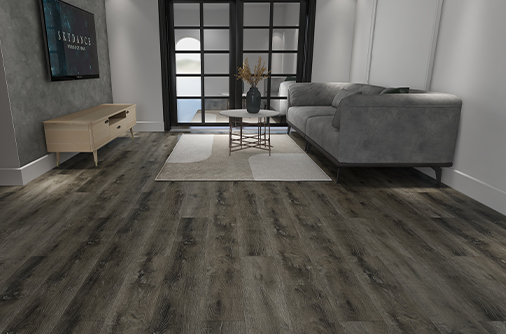
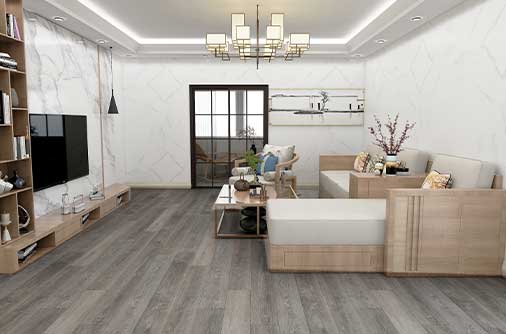
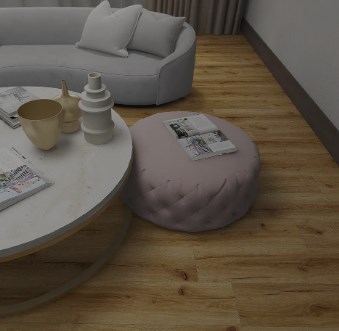
Dry Back LVT Flooring also excels in design. Its decorative layer can achieve a variety of textures and effects, including wood grain, stone textures, and creative patterns, meeting the needs of different design styles. Surface finishes can be chosen from matte, semi-gloss, or high-gloss effects, ensuring both aesthetics and slip resistance.
At the same time, dry-back LVT can be freely cut and installed according to design requirements, adapting to irregular spaces or complex layouts. Whether it's large-area uniform paving or intricate staggered combinations, the overall visual continuity and decorative effect of the floor are maintained. This design flexibility makes interior spaces more personalized, while providing professional and high-quality flooring solutions in both commercial and residential spaces.
Daily Maintenance and Care
Maintenance of Dry Back LVT Flooring is relatively simple, but attention to detail is still necessary to ensure long-term performance. Daily cleaning can be done with a soft mop or low-friction cleaning tools, avoiding the use of sharp tools to directly scratch the floor surface. For stains, a neutral cleaning agent can be used to maintain the protective properties of the wear layer and the surface gloss.
Another advantage of the dry-back design is that local repairs and replacements are relatively easy. If a certain area of the floor is damaged, it can be restored through professional removal and re-adhesion without affecting the overall installation effect. This flexibility reduces long-term maintenance costs and extends the overall lifespan of the flooring.
With its wear resistance, water resistance, stability, and design flexibility, Dry Back LVT Flooring is an ideal flooring choice for modern residential and commercial spaces. It not only provides a comfortable and aesthetically pleasing user experience, but also ensures long-term durability and performance through professional installation. From material structure and construction techniques to maintenance and management, dry-back LVT demonstrates a high level of professionalism, making it a high-performance flooring product that combines functionality and aesthetics.
FAQ: Frequently Asked Questions about Dry Back LVT Flooring
Q: What is the difference between dry-back LVT and self-adhesive LVT?
A: Dry-back LVT requires adhesive for installation, offering high stability after installation and is suitable for large areas or heavy-duty environments; self-adhesive LVT is quick to install, but its long-term stability is slightly lower.
Q: What environments are suitable for Dry Back LVT?
A: It is suitable for commercial lobbies, offices, high-end residences, kitchens, and bathrooms, and other spaces that require wear resistance, water resistance, and high demands on floor flatness.
Q: What should I pay attention to when maintaining dry-back LVT?
A: Avoid direct scratching with sharp objects, regularly clean dust, use neutral detergents to clean stains, and check the bonding condition between the floor and the base.
Q: Can Dry Back LVT be used for a long time?
A: Yes, the wear layer and stable core layer ensure long-term durability, and the surface texture and patterns can remain unfaded for many years.
Q: Does installing Dry Back LVT require professional installation?
A: It is recommended to have it installed by a professional team to ensure even adhesive application, tight bonding of the flooring, and to avoid hollowing and warping, thus improving overall durability.